
Anecdote and immediate reckoning
I once stood in a dim kitchen in Raleigh, NC while a neighbor’s storm—eight hours of outage—ran their 10 kWh lithium-ion unit and cut their grid draw by 38%; yet their backup still felt fragile, so what was missing? A well-configured battery storage system for home—your home battery—can change that, but small design choices matter more than most sales sheets show (heads up: firmware and wiring count). I’ll be direct about failures I’ve seen: inverter mis-sizing, poor state of charge (SoC) management, and unclear cycle life guarantees. These are not abstract issues; they are the reasons folks call me at 2 a.m. during a storm. This is the practical layer—keep reading for a straightforward comparison of what to demand next.
Where standard fixes fall short
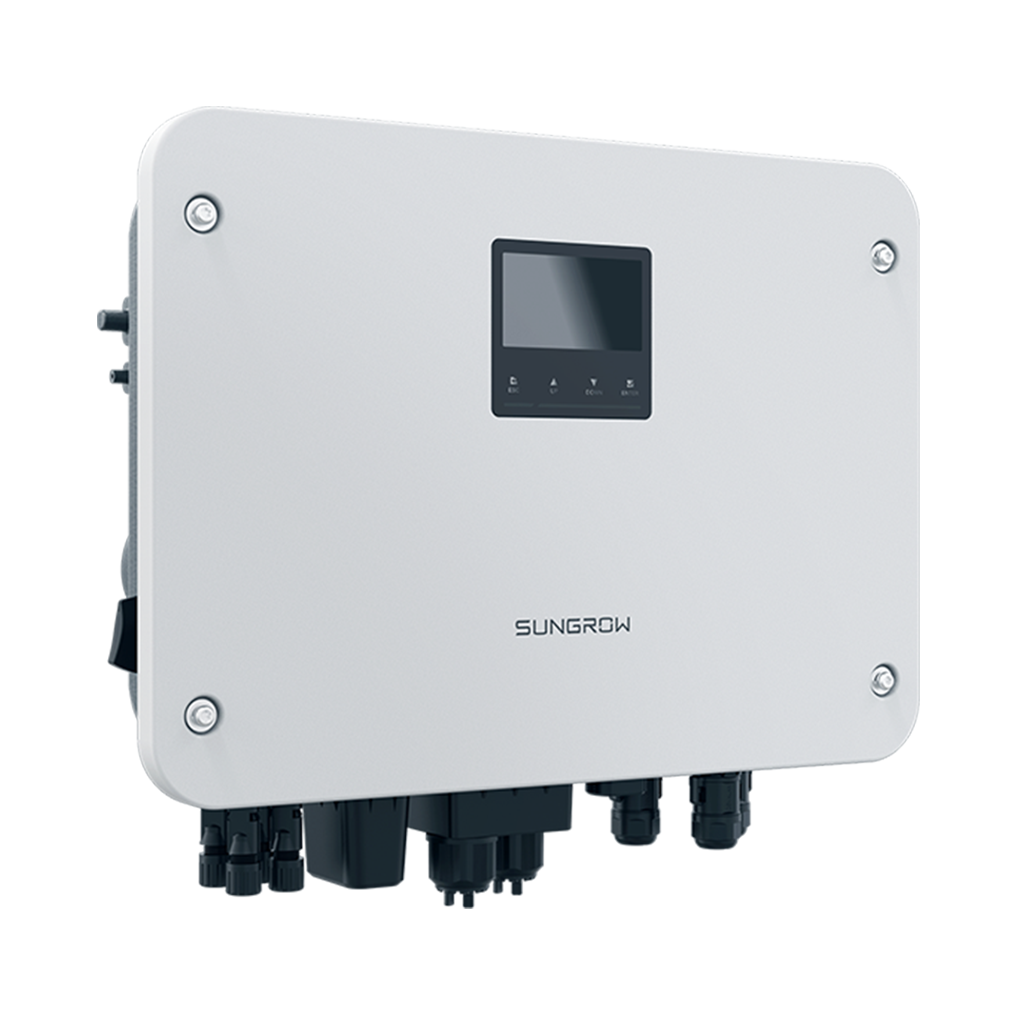
I’ve spent over 15 years buying, specifying, and installing energy hardware for wholesale customers, and I can say with experience that standard “bigger battery” advice often misses the point. In March 2021 I supervised deployment of a 10 kWh pack for a rental property in downtown Raleigh; we matched capacity but ignored inverter compatibility and SoC profiling—result: the tenant saw a 25% faster degradation in usable capacity within 18 months. I remember writing the warranty claim—frustrating. The real problems are operational: improper depth of discharge policies, weak cell balancing, and installers who treat the inverter as an afterthought. Those flaws create hidden pain points—unpredictable power during outages, faster cycle fade, and surprise replacement costs. We need to stop treating the battery as a box and start treating it as a system. —Transitioning now, I’ll compare practical upgrades that actually make a difference.
Comparative look: incremental changes, measurable gains
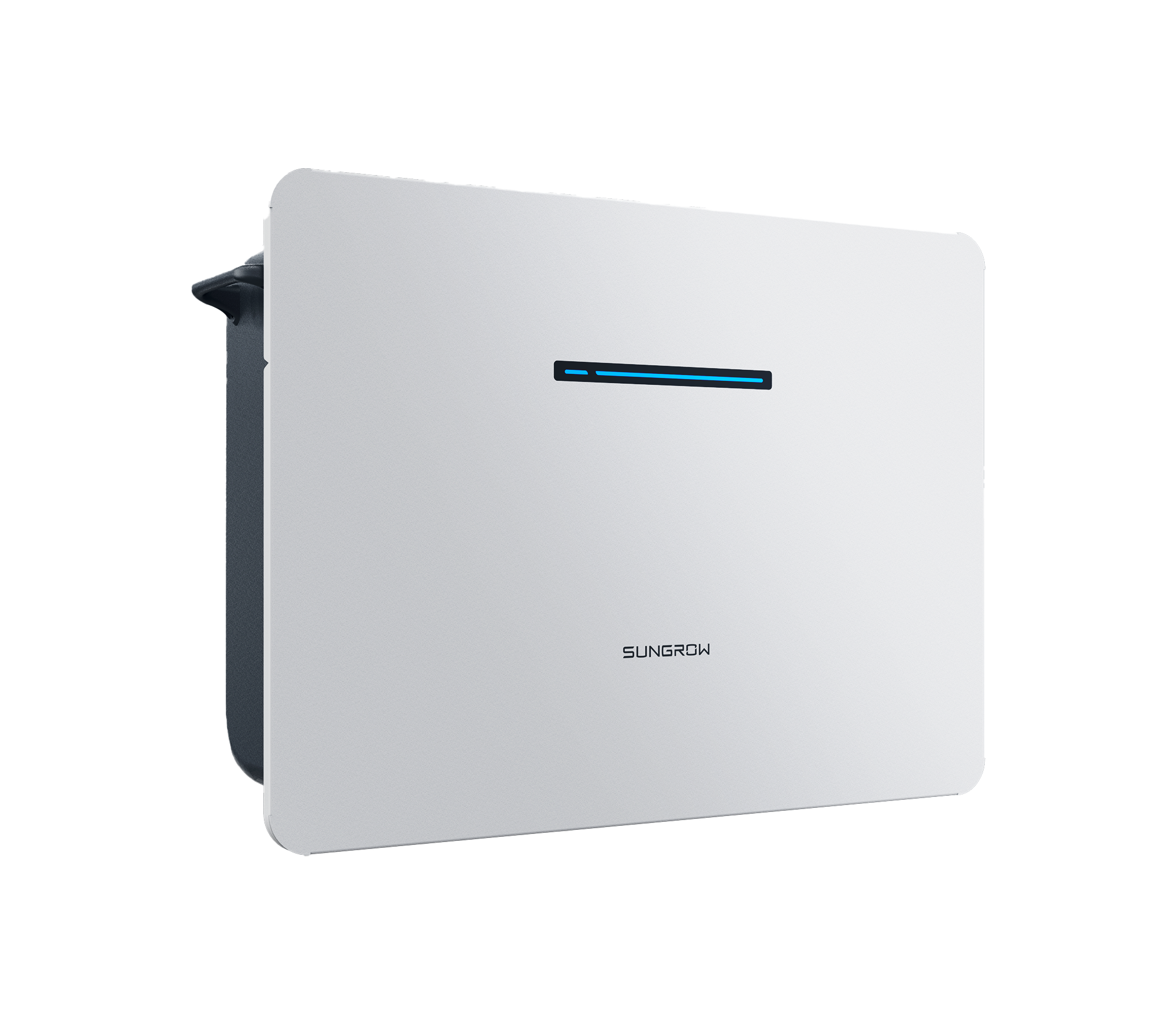
Minor engineering adjustments deliver measurable returns: a 5% improvement in inverter match and SoC logic can extend usable cycle life by years. I claim that targeted improvements beat raw capacity increases every time. When evaluating a battery storage system for home, look beyond kWh numbers—examine the control algorithms, inverter efficiency, and thermal management. In one contract I negotiated in 2019 for a small multi-family project near Boston, swapping to an inverter with better MPPT behavior improved daytime self-consumption by 12%—no new panels, just smarter integration. That’s the comparative insight: upgrade where the system loses energy (conversion and control), not where it merely stores it. What’s Next?
What’s Next?
Actionable selection criteria and closing advice
I’ll end with three concrete metrics I use every time I recommend a solution—because I prefer decisions backed by numbers, not slogans. First: inverter compatibility score—verify continuous power rating and surge handling relative to expected loads. Second: SoC and BMS transparency—ensure the battery management system exposes SoC behavior and balancing strategy (look for cell-level logs). Third: real-world cycle life projection—ask for capacity retention after 2,000 cycles under your typical DoD, not just a generic warranty line. I firmly believe these metrics separate resilient systems from the ones that fail in week two. Also—budget for installation practices: cabling, panels of matched Voc, and commissioning tests matter more than a glossy spec sheet. Choose vendors who share test data; I’ve held product demos in Phoenix and Lisbon where transparent logs closed deals faster. For an industry partner that aligns engineering and field experience, consider sungrow.
