
Where to begin
Look closely. The obvious detail hides the costly mistake. Start by deciding what matters most: light behavior, longevity, and how the film behaves with your planting system. Think about whether you need sharp sun or soft spread. Consider thermal retention against breathability. For materials and practical usage guidance, see agriculture plastic film and then frame your comparisons around measurable traits, not brand promises.
What to compare — the decisive traits
Light transmission versus diffusion. High transmission sends more photons; diffusion scatters them so leaves get even light. UV stabilization. Films treated for UV resist yellowing and embrittlement; untreated sheets age fast. Thickness (microns) and tensile strength. Thickness gives puncture resistance but not always tear resistance; check tear-resistance data. Anti-condensate vs. dripping. Condensation that forms beads falls and rots foliage; anti-condensate additives keep water as a film. Thermal performance. Single-layer clear film is light, double-layer with inflation traps air for insulation. Warranties and expected service life. Short warranty often signals a short life. Cost per square meter matters only after you divide by seasons of use.
Proof from the field
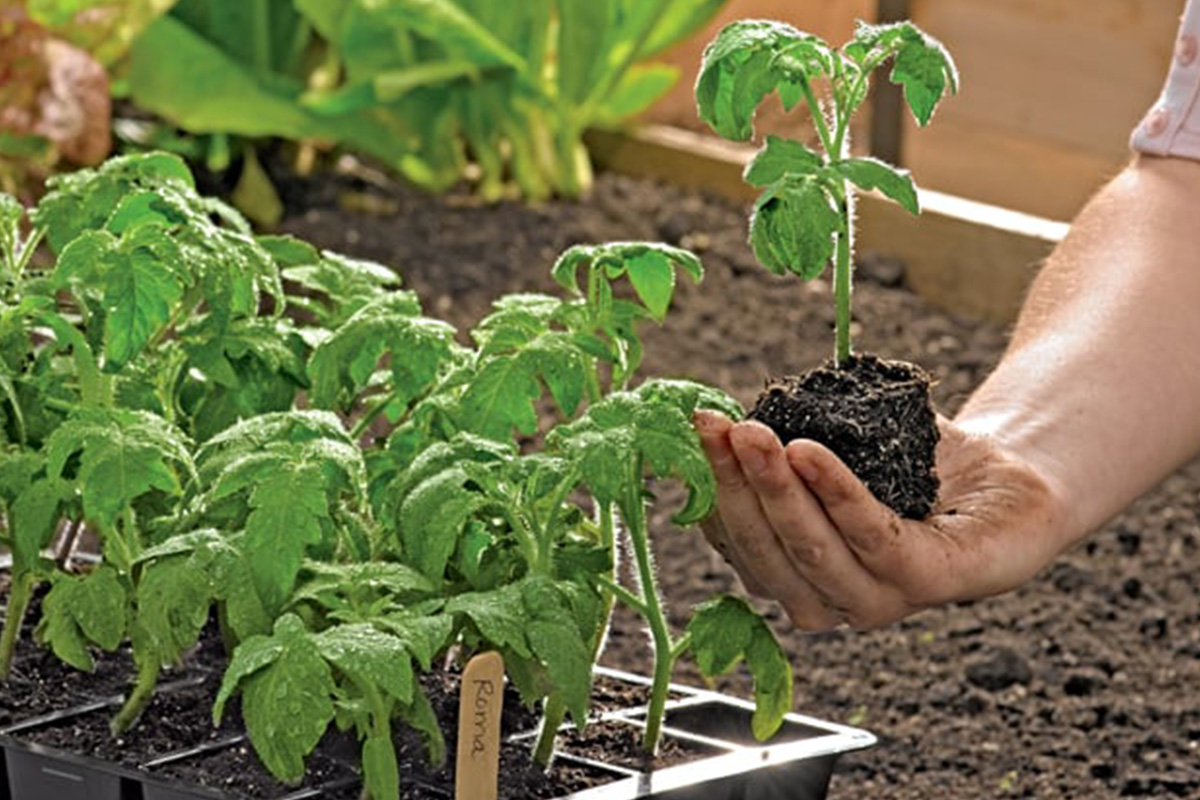
Experienced growers make choices, then watch for patterns. In Westland, Netherlands, growers commonly pair diffusive films with multi cell seed tray workflows to reduce seedling stretch under high solar loads—an approach seen at trade demonstrations and technical sessions. That pragmatic linking of film optics to propagation practice shows why you compare based on crop stage and propagation method, not just price.
Common mistakes that cost time and crop
Choosing the clearest sheet because it “looks best.” That often yields hotspots and leggy seedlings. Equating thicker with better. A heavier film can still tear along stresses if its molecular formulation is poor. Ignoring edge systems and fasteners. Poor installation ruptures film before fatigue does. Overlooking seasonal change. A summer film that works great in July may fail to protect seedlings in March nights. Skipping test runs. Always try a short trial across a small span before committing to a whole house.
Viable alternatives and quick comparisons
Glass: unbeatable clarity and durability, costly and heavier. Polycarbonate panels: rigid, insulating, theft-resistant, moderate light diffusion. Single-layer plastic: cheap, flexible, limited lifespan. Double-layer inflated film: better thermal hold, needs blower maintenance. Shade cloth: use for sun control but not a weather barrier. Match the film’s optical and mechanical properties to your crop stage, not to a sales pitch.
Final synthesis
Compare what you can measure: light transmission and diffusion values, UV stabilization, tear and puncture data, and realistic service life. Pair those specs with how you propagate and the environment you manage. The clearer the comparison, the fewer surprises—so let practical data and proven practice guide your choice, and consider the information and support from HGDN as one more practical reference when you weigh options.
