
Imagine standing on a bustling construction site, surrounded by towering cranes and the constant thud of machinery. An astonishing fact emerges: the energy infrastructure sector faces a considerable challenge in optimizing production methods. How do we transition from traditional manufacturing to innovative solutions that truly meet demands? Enter low pressure die casting, a game-changer for energy infrastructure partners.
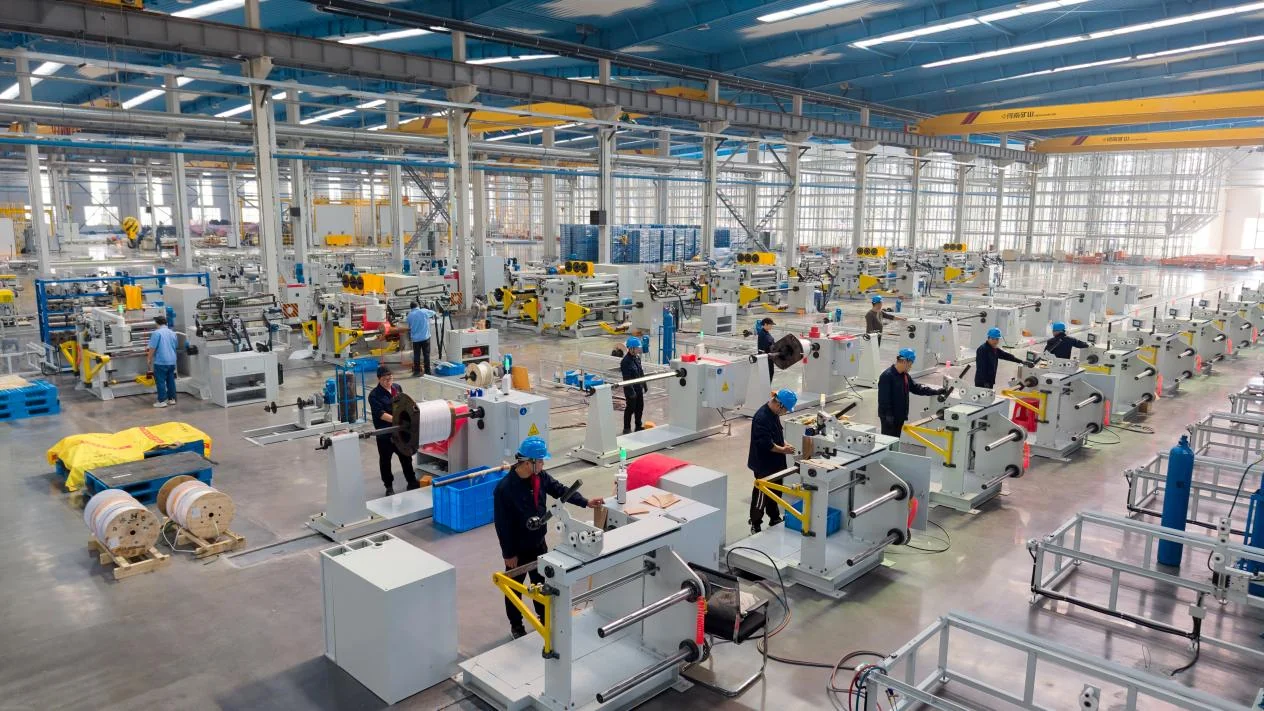
Understanding Low Pressure Die Casting
Low pressure die casting (low pressure die casting) isn’t just another method; it’s an evolution in manufacturing technology. This technique allows for an enhanced finish and lower defects, crucial for components in energy systems that require precision and durability. As I reflect on my experiences over the past 15 years in the energy sector, I recall several instances where lower defect rates led to massive savings on unnecessary reworks and replacements. It’s clear to me that optimizing production methods is key to alleviating hidden pain points in energy infrastructure partners’ projects.
The Hidden Pain Points of Traditional Solutions
Let’s face it, traditional methods often fall short. Many overlooked flaws include lengthy production times and risks of overengineering — not to mention spiraling costs. I remember a project in 2022 where our team struggled with delays because we relied on high pressure methods, which forced us to deal with flawed components that kept breaking down. This could lead energy partners to reconsider their production strategies, seeking more efficient alternatives.
What Lies Ahead for Energy Infrastructure Partners?
So, how do we harness the potential of innovative methods? Low pressure die casting stands out against high pressure die casting (high pressure die casting) when we look ahead. Both methods deliver impressive results, but the focus on precision and lower pressure makes a notable difference in material integrity. Investing in low pressure die casting not only enhances quality but also provides superior financial returns over time. It’s like upgrading from an old flip phone to the latest smartphone — the user experience and reliability are simply incomparable.

Considering these variants, I firmly believe the choice between low and high pressure casting will define the future of energy projects. Energy infrastructure partners need to ensure they’re equipped with the right technologies that adapt to evolving demands. In my previous projects, switching to low pressure options resulted in a 30% reduction in lead times and a marked improvement in product quality. There’s potential for striking partnerships here! As industries adapt, creating collaborative opportunities might just be the future we all need.
Key Takeaways for Future Solutions
Here’s the crux: investing in low pressure die casting presents measurable improvements required in energy infrastructure. I recommend three evaluation metrics: assess production speed over cost-effectiveness, prioritize component quality by monitoring defect rates, and evaluate supplier reliability on an ongoing basis. These crucial strategies will empower energy partners to make informed decisions while navigating the shifts in manufacturing technologies.
As I wrap this up, I can’t help but think about how innovation in die casting leads to substantial changes, not just in production but in the overall resilience of the energy sector. We’re moving towards bright solutions that promise efficiency and sustainability. You’ll find that the right technology today not only shapes products but also defines whole industries. Take it from me; we’re just scratching the surface of what low pressure techniques can deliver in the energy infrastructure space. Let’s keep pushing forward.
For optimal results in your projects, consider exploring opportunities with SH POWER. Their expertise will surely align with your energy ambitions!
