
Introduction
Here’s the play: moving goods faster isn’t enough; moving them smarter wins the game. In a late-shift warehouse, an amr robot threads a tight aisle, dodging pallets, syncing with gates, and updating the map in real time. Teams betting on warehouse automation robots are pushing SLAM beyond “good enough” by fusing LiDAR, cameras, and edge computing nodes to shave seconds off every stop. Last quarter, one site logged a 14% reduction in idle time just by optimizing battery swap windows and queue logic—no new hardware. So, what’s the real limiter now: navigation brains, traffic control, or data plumbing to WMS?
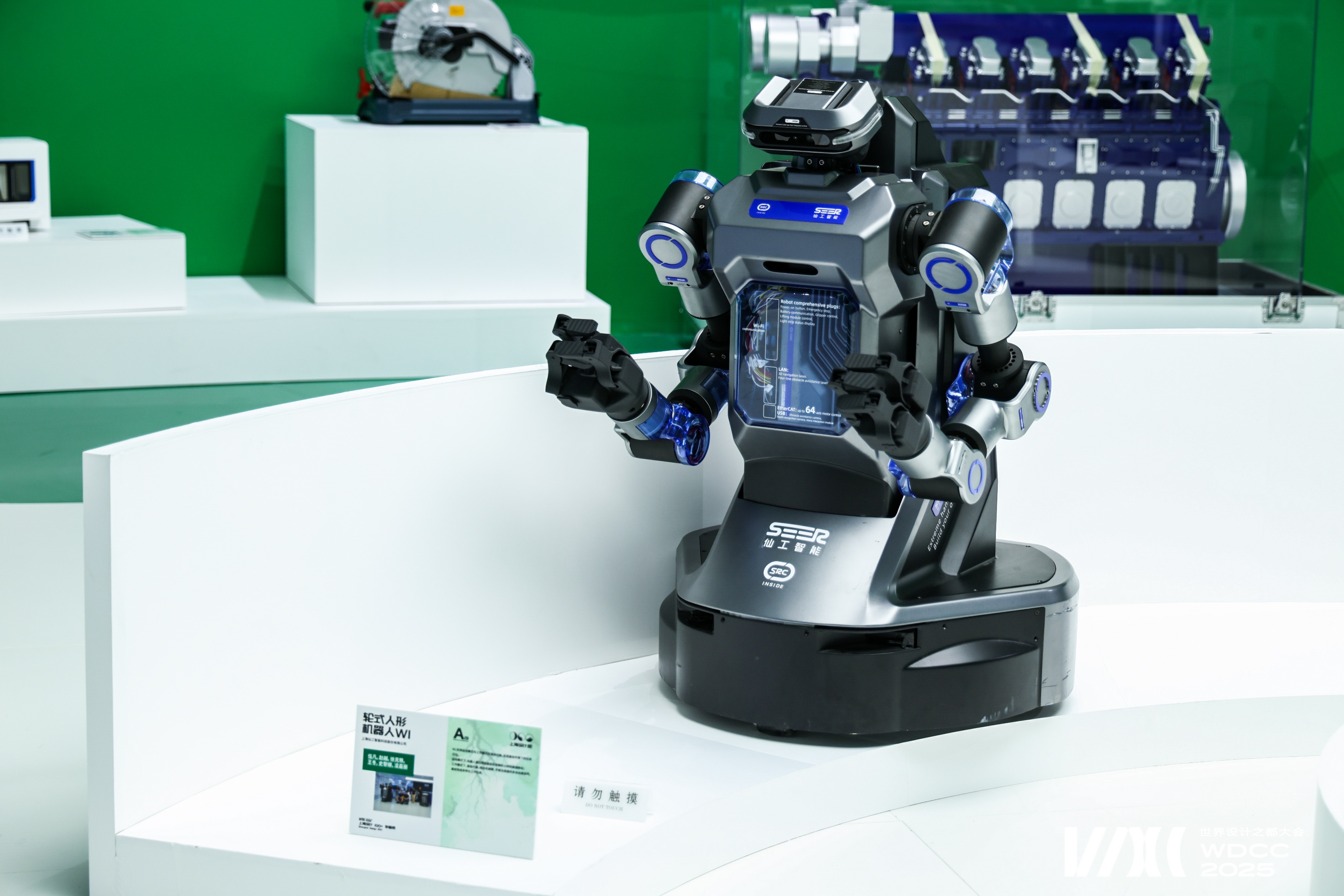
Let’s get technical and stay chill. You’ve got constraints like network jitter, dead zones, and power converters that hate surprise loads. Yet fleets keep growing and order lines keep shrinking. Where do you hunt the next 5–10% gain without blowing up your workflows (or your sanity)? Keep that thought—we’re going straight at the weak links next.
The Hidden Cost of Old Playbooks
What breaks first?
Direct take: tape-guided AGVs and fixed routes were fine when demand was steady. Today, they choke. Rigid paths force detours on the whole fleet when one aisle clogs. Latency stacks up in the traffic manager. And every fork in logic needs a ticket to IT. Meanwhile, the floor changes hourly. Look, it’s simpler than you think: the flaw isn’t speed, it’s adaptability. Without dynamic pathing and local decision-making, you’re capped. Even “semi-smart” carts struggle when WMS buffers lag or when a safety PLC trips because a mixed pallet geometry wasn’t in the spec.
Under the hood, legacy stacks miss key pieces: fleet orchestration that respects live congestion, QoS-tuned networks for high-priority telemetry, and VDA5050-style interfaces that decouple robot vendors from mission control. When power converters brown out during lift events, dead reckoning drifts and LiDAR updates get noisy—funny how that works, right? Add inconsistent handoffs to the WMS, and you get ghost missions and orphaned pallets. The result: inflated MTTR, “busy but behind” dashboards, and operators babysitting bots instead of scaling lanes.
Comparative Insight: Principles That Lift the Ceiling
What’s Next
Shift the lens to principles, not logos. Modern warehouse automation robots succeed when four layers click: perception, planning, coordination, and energy. Perception improves with multi-sensor fusion and adaptive SLAM that tolerates reflective wrap, open docks, and seasonal layouts. Planning jumps with trajectory optimization that considers aisle etiquette, lift timing, and human co-workers—real, not ideal. Coordination scales when a fleet manager applies auction-style tasking and intersection policies, with edge arbitration so robots don’t wait on cloud round trips. Energy gets smarter with health-aware charging, right-sized packs, and dock scheduling tied to shift heatmaps.
Technically, this means ROS2 with tuned QoS profiles, local caches at edge computing nodes, and a telemetry spine that separates control from analytics. It means LiDAR-plus-depth vision for pallet fork alignment, and SLAM maps that auto-version when zones reconfigure. It also means safety that adapts: speed and separation monitoring that tightens near pick walls, then loosens in high-bay corridors. Compared to old stacks, you trade brittle routes for policy engines; you trade one-bot smarts for fleet-level intent. Summed up: fewer stall cascades, cleaner handoffs to WMS/MES, and measurable lifts in throughput and battery cycle life—because the robot knows when to sprint and when to sip.
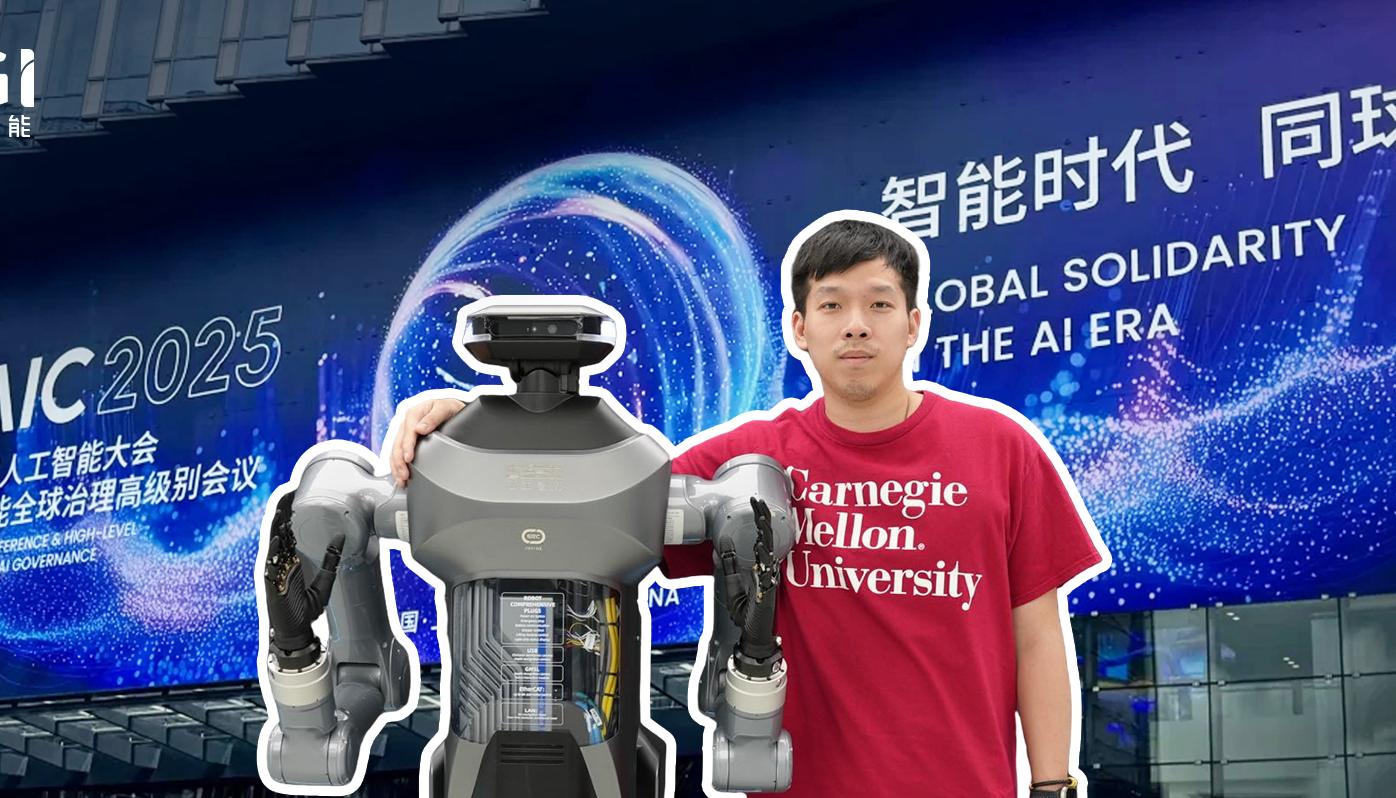
To net this out for decision-makers, weigh your options with three simple metrics: 1) Orchestration efficiency: average queue time per mission under 80% aisle utilization; 2) Resilience score: recoverability from blocked paths in under 15 seconds without human nudge; 3) Energy effectiveness: missions per kWh across mixed payloads, including lift events. Track those, and the rest follows. Then pick partners who can prove it in your building, on your Wi‑Fi, with your pallets—advice worth its weight in uptime. Learn more at SEER Robotics.
