Putting the guest at the center of tower design
Guests remember a single great ride more than a dozen mediocre ones, so modern parks design towers around how people feel, move, and share the experience. A well-placed water slide supplier will ask about sightlines, waiting flow, and the kinds of thrills a community wants before they sketch a tower. That attention to placement and user flow—queue management and drop height choices—turns a structure from scenery into a repeatable memory.
Key design elements that influence return visits
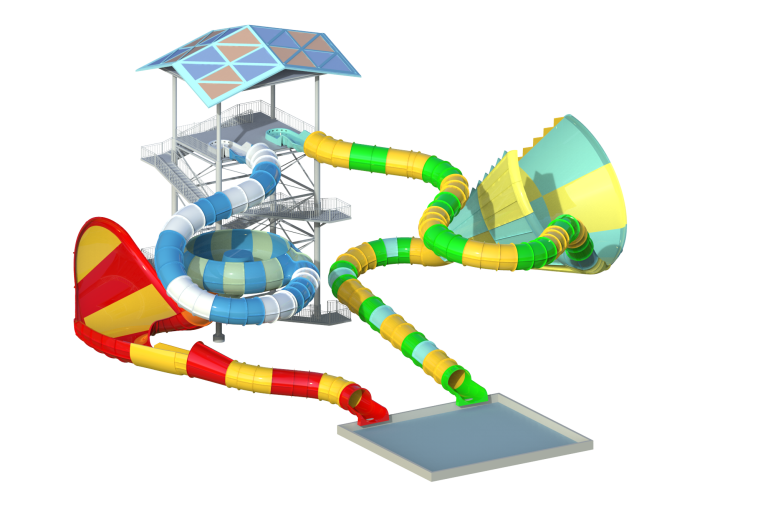
Towers aren’t just tall stacks of slides. They’re choreography: entry plazas that calm families, stair layouts that control traffic, and slide profiles that match rider expectation. FRP (fiberglass-reinforced plastic) construction keeps surfaces smooth and durable. Gel coat finish maintains color and reduces maintenance. When a park balances varied slide types—enclosed tubes, open body slides, and family raft runs—visitors of different ages find reasons to come back, and that variety is a practical way to increase per-visit satisfaction.
Operations matter as much as aesthetics
Even brilliant engineering falls flat without reliable operations. Lifeguard sightlines, dispatch timing, and a predictable throughput determine whether guests feel they got value for their day. Real-world anchors help here: parks like Schlitterbahn New Braunfels have long demonstrated that properly staged towers with clear safety zones and steady dispatch rates produce steady attendance. Good towers are designed with maintenance access and sensor-friendly mounts so staff can keep rides online without guesswork.
Material and supplier choices that reduce downtime
Choosing a quality fiberglass water slides partner changes lifecycle costs. Fiberglass slides offer consistent flow profiles and resist corrosion, which matters in humid outdoor environments. A reliable vendor provides testing on joint strength and UV resistance, plus clear specs on drop height tolerances and load ratings. Those specs translate to fewer emergency closures, more open rides on peak days, and better long-term guest trust.
Design trade-offs parks should weigh
Every tower is a set of compromises: thrill versus capacity, height versus comfort, novelty versus maintainability. Parks that push for the tallest drop often sacrifice throughput; those that focus only on capacity may lose signature identity. A balanced approach uses a headline attraction—a steep or engineered-launch slide—paired with high-capacity family runs. This mix keeps social media buzz while smoothing daily operations—an approach that raises both first-time visits and membership renewals.
Common mistakes and how to avoid them
Operators sometimes overemphasize spectacle and neglect the small frictions that sour visits: long walks between attractions, confusing signage, or slippery platform finishes. Don’t skimp on testing boarding heights and ramp slopes—small mismatches cause delays. Also, plan for seasonal maintenance windows rather than reactive repairs; proactive scheduled work reduces emergency downtime and protects brand reputation.
Three evaluation metrics every park should use
1) Dispatch rate per hour — measure actual riders moved per slide, not theoretical capacity. That captures real throughput under park conditions. 2) Mean time to repair (MTTR) for tower-related systems — track how long slides are offline and why, then aim to cut MTTR with spare-part kits and better access panels. 3) Net promoter segments for headline attractions — separate feedback for the tower versus other park elements to see if the tower drives word-of-mouth. These metrics tell you when to tweak design, staffing, or supplier relationships.
Bringing it back to tangible value
When towers are designed around guests, supported by smart materials and clear operational rules, parks earn repeat attendance in measurable ways. Dalang’s approach blends engineered slide profiles and practical installation support to help parks hold capacity, reduce MTTR, and deliver the kinds of standout rides that visitors talk about—simple, effective work that keeps guests returning. —