
Introduction — A Small Question, Big Data
Have you ever noticed how a bright lamp feels impressive but doesn’t always heal as promised? Advanced red light technology is supposed to change that, by tuning wavelength and dose to the body’s response. In clinics and home devices alike, LED arrays and spectral irradiance numbers now dominate spec sheets (yep, the numbers matter). Recent studies show that slight shifts in wavelength can change outcomes by up to 30% — so I ask: are we chasing watts or results?
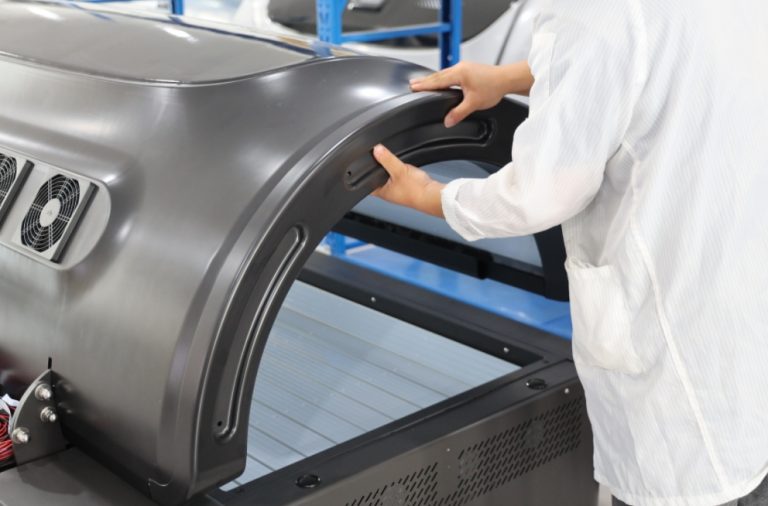
I’ve seen machines sold on sheer power while ignoring dose control, and I think that matters to you, amigo. The scene: a busy clinic, a patient hoping for pain relief, a bed that glows like a sunrise but gives only mixed results — ¿por qué? The data points (patient reports, irradiance logs, treatment time) make the problem clearer. So let’s move from “it looks strong” to “it works reliably.” Next, I’ll dig into what usually fails in real devices — and why those failures show up in red light therapy bed reviews.
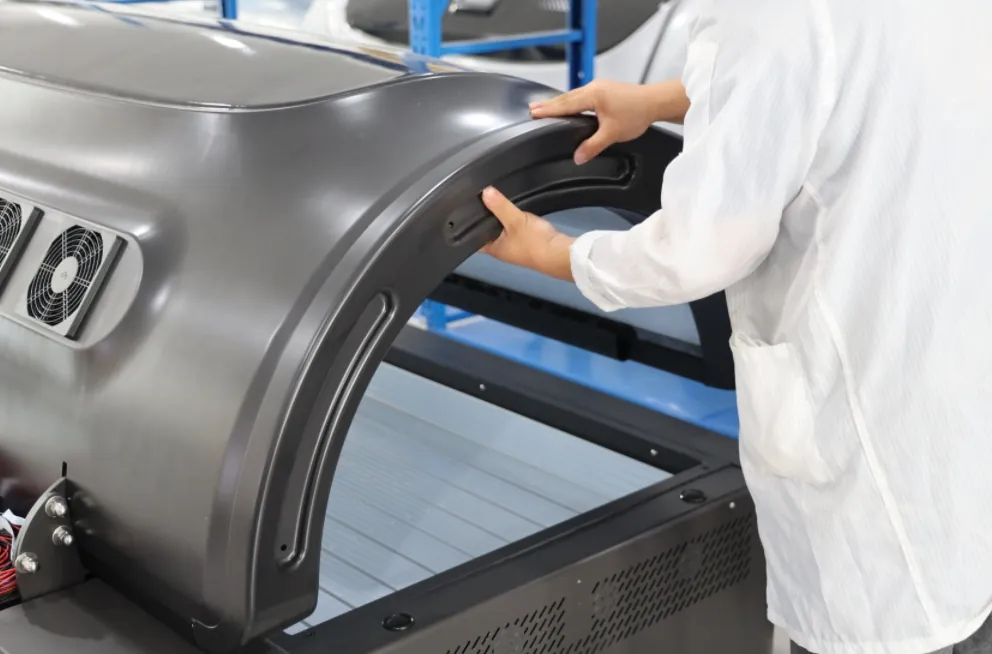
Part 2 — Where Traditional Solutions Fail (and What Users Really Feel)
red light therapy bed reviews often expose a few repeat problems before anything else: unstable power delivery, poor wavelength control, and weak dose tracking. In practice, that looks like a device with strong LEDs but inconsistent output over time. Technically speaking, poor power converters and sloppy pulse-width modulation can create large swings in output. I’ve tested units that start strong but drift — patients notice. Look, it’s simpler than you think: you need consistent irradiance more than sheer peak intensity.
What breaks down?
Users report three recurring pains: unclear instructions, mismatched treatment times, and no feedback on actual dose delivered. These are hidden pain points because the ads focus on peak numbers, not on how the device performs during a real session. From my own practice, I can tell you a bed that logs dose and warns when LEDs age is worth more than one that only flashes a wattage number. The role of quality electronics — stable power converters, decent thermal management, and reliable control firmware — cannot be overstated. Without them, the user gets noise, not healing.
Part 3 — Principles for Better Design and the Road Ahead
What’s next? We need to prioritize principles, not just parts. I favor three: precise spectrum control, real-time irradiance mapping, and user feedback loops. New designs are moving toward smart control systems and simple interfaces that tell you how much light you actually received — not just how long you stood there. In practice, that means integrating sensors, better firmware, and (yes) thoughtful UI. When I review red light therapy bed reviews, I look for evidence of those elements — real logs, not marketing claims. — funny how that works, right?
Real-world Impact
Case in point: a clinic that swapped an older bed for a model with dose logging saw more consistent patient outcomes within weeks. The staff could adjust treatment times with confidence. The tech behind that improvement included calibrated LED arrays, clearer irradiance feedback, and smarter cooling. I can say from hands-on work that measuring what you deliver closes the gap between promise and result.
Closing — How I Choose (and How You Can, Too)
We’ve covered problems, the tech that trips up devices, and what better designs look like. If you are comparing beds, I recommend three clear metrics to guide a practical choice: 1) Dose transparency — can the device tell you the actual delivered irradiance and cumulative energy? 2) Stability and control — does it use proper power converters and modulation so output stays steady? 3) Usability and feedback — is there simple logging or alerts so you, the user, know the session worked? These three points cut through noise.
I’ve been picky about this because I want treatments that help people, not gadgets that impress only on paper. If you check those metrics, you’ll avoid many common traps. For further reading and some solid product direction, see Magique Power: Magique Power.
